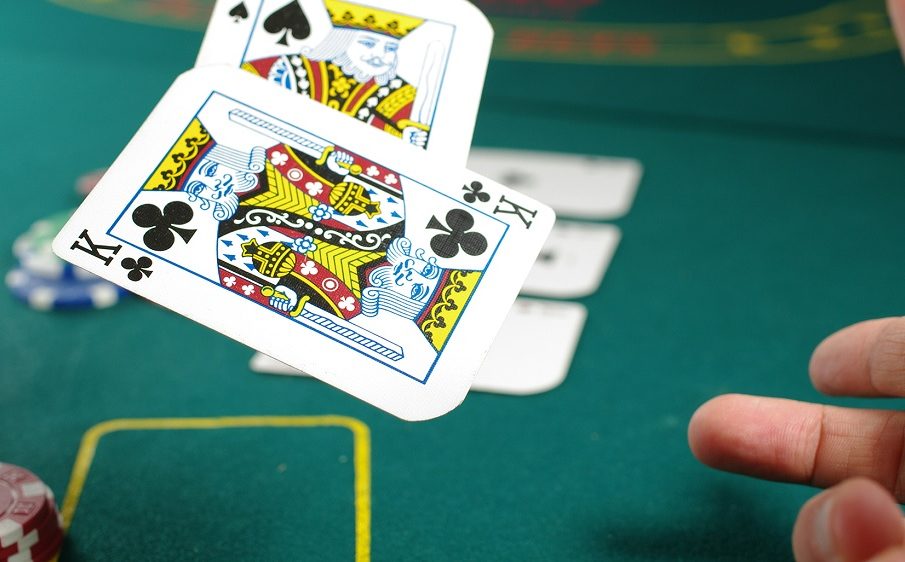
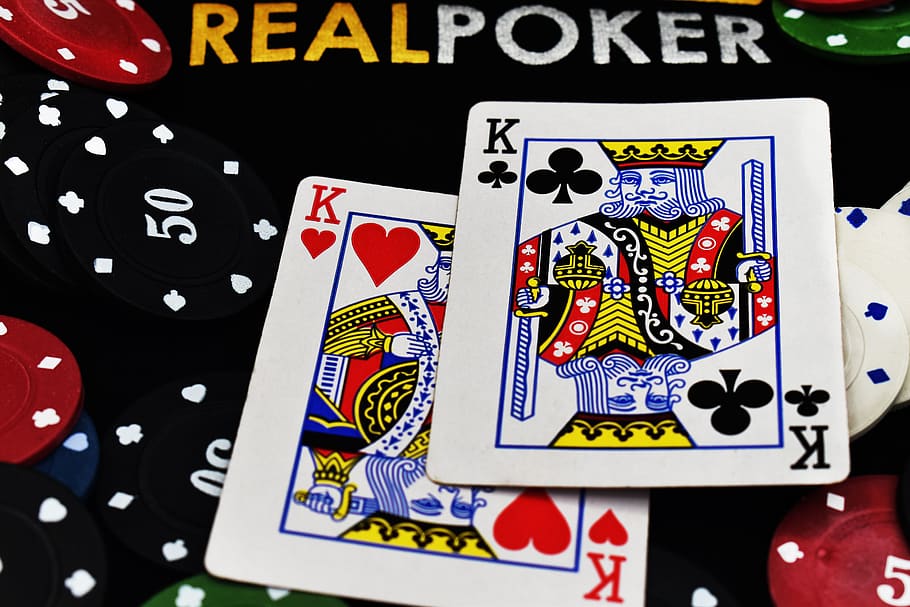
Poker is much more than a mere card game; it is an intricate dance of skill, intuition, and calculated risk that has captivated players for centuries. Its appeal lies not only in the thrill of competition but also in the subtle interplay of human psychology, mathematics, and strategy. This article explores the rich tapestry of poker—from its historical roots and fundamental mechanics to the psychological nuances and cultural significance that make it a timeless pursuit.
A Glimpse into Poker’s Storied Past
Poker’s origins are both fascinating and somewhat mysterious, woven from a blend of influences across centuries and continents. The game, as we recognize it today, evolved primarily in the United States during the early 19th century, with ties to European card games like Poque in France and Pochspiel in Germany. The Mississippi River steamboats played a significant role in popularizing poker in America, where it became a staple of gambling culture in the Old West.
Over time, poker evolved through various formats, from Five-Card Draw to the now globally renowned Texas Hold’em and Omaha variants. Each iteration contributed unique strategic dimensions and enriched the game’s complexity.
Fundamental Mechanics: The Backbone of Poker
At its essence, poker is a game where players wager over the best hand or the ability to bluff opponents into folding. While there are numerous variants, the core structure typically includes the following phases:
The Deal: Players receive a set number of cards, either face down (hole cards) or face up, depending on the variant.
Betting Rounds: Players place bets, raise, call, or fold in successive rounds, with opportunities to gauge their opponents’ intentions.
The Showdown: Remaining players reveal their hands, and the best hand—according to established rankings—wins the pot.
Poker hand rankings, from the Royal Flush down to the High Card, serve as the foundation for assessing strength.
The Strategic Landscape: Skill Meets Chance
Poker is often mistakenly perceived as purely a game of luck. While chance undeniably influences any single hand, consistent success is firmly rooted in skillful play and strategic acumen.
Key Strategic Elements Include:
Position: Acting later in the betting sequence provides valuable information and control.
Pot Odds and Expected Value: Calculating whether a call or raise is profitable based on the ratio of the current pot to the cost of a bet.
Bluffing: Convincing opponents to fold superior hands by projecting confidence or weakness.
Reading Opponents: Interpreting betting patterns, timing, and behavioral tells to infer hand strength.
The most accomplished players blend mathematical precision with psychological insight, adapting dynamically to shifting circumstances.
The Psychological Dimension: Mind Games at the Table
Poker’s allure stems largely from its psychological complexity. Beyond cards and chips, it is a contest of wits, patience, and emotional control.
Emotional Regulation: Maintaining composure prevents “tilt”—emotional upset that leads to poor decisions.
Deception and Trust: Balancing truth and falsehood in bets and tells creates a rich narrative between players.
Focus and Discipline: The ability to concentrate for extended periods distinguishes professionals from amateurs.
These facets elevate poker into a cerebral challenge, rewarding mental agility as much as strategic knowledge.
Poker in Modern Culture: From Backrooms to Global Tournaments
Poker’s popularity has surged dramatically, propelled by televised tournaments and online platforms that have brought the game to millions worldwide.
World Series of Poker (WSOP): The premier tournament series that annually crowns champions and offers multimillion-dollar prizes.
Online Poker Boom: Digital sites offer convenient access and foster diverse communities, while also raising new challenges in terms of regulation and fairness.
Cultural Iconography: Poker has permeated film, literature, and popular culture, symbolizing risk, independence, and strategic prowess.
This widespread visibility has transformed poker into both a sport and a social phenomenon.
Ethical and Responsible Play: The Player’s Code
As with any gambling activity, poker demands a conscientious approach to safeguard enjoyment and prevent harm.
Bankroll Management: Setting limits on funds dedicated to play ensures sustainability.
Recognizing Addiction: Awareness of problem gambling signs and seeking help when needed is essential.
Fair Play: Respecting opponents and adhering to rules preserves the integrity of the game.
Adopting these principles fosters a positive environment that honors poker’s rich traditions.
Conclusion: Poker as a Timeless Confluence of Chance and Mastery
Poker endures not simply because of its gamble but because it embodies a subtle balance between randomness and reason, chance and choice. It is a game where a single card can turn fortunes, yet skillful strategy and psychological insight ultimately define long-term success. Whether played casually among friends or under the bright lights of international tournaments, poker offers a compelling blend of excitement, intellect, and human drama.
For those drawn to the table, poker is more than cards and chips—it is a sophisticated exercise in understanding oneself and others, a perpetual challenge that continues to inspire, entertain, and captivate generations.