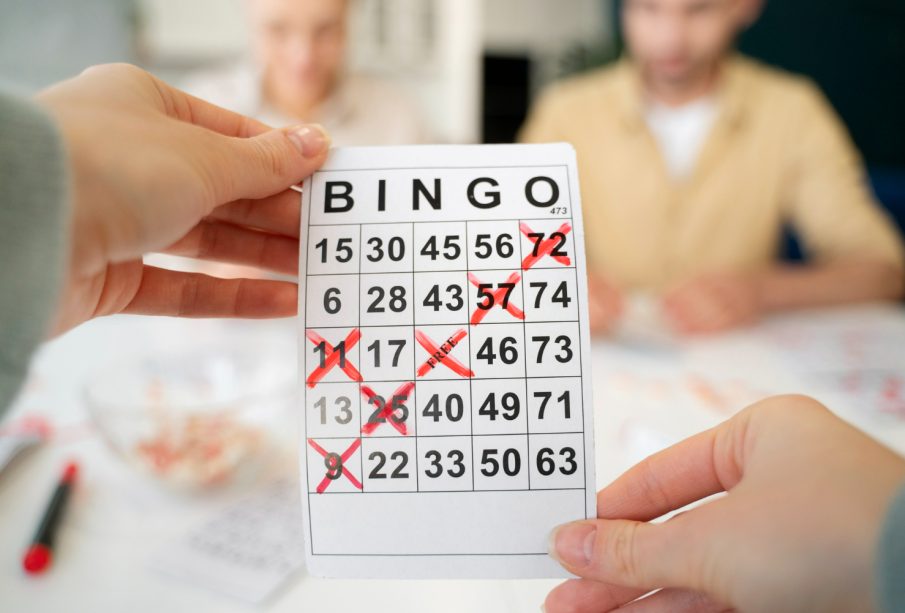
Bingo. The mere word conjures up images of community centers, smiling retirees clutching dabbers, and the sudden hush before a triumphant “Bingo!” breaks the silence. But behind the familiar façade lies a surprisingly rich history, a game of strategy and chance that has continuously evolved to capture the imagination of players across generations and cultures. Far from being a quaint pastime, bingo today stands as a dynamic game with enduring social, psychological, and cultural relevance.
A Brief History: From Italy to the Internet
Bingo’s origins trace back to 16th-century Italy, where a national lottery called “Il Gioco del Lotto d’Italia” was already a popular fixture. Over the centuries, this lottery-style game migrated through France and Germany, adapting to different social and educational contexts. In Germany, it was used as a teaching tool for multiplication tables, spelling, and history—a surprisingly academic origin for such a lively pastime.
It wasn’t until the 1920s in the United States that bingo truly found its modern form. A toy salesman named Edwin S. Lowe encountered a similar game being played at a carnival. Inspired, he developed a version he called “Beano,” which evolved into the bingo we know today after a player excitedly yelled out “Bingo!” by mistake. The name stuck, and the game’s popularity exploded.
The Social Fabric of Bingo
At its core, bingo is about more than just marking off numbers. It has always functioned as a social adhesive, bringing together people of all ages and backgrounds. In church halls and community centers across the world, the game has long served as a low-barrier form of entertainment that encourages face-to-face interaction, laughter, and camaraderie.
Benefits of bingo as a social activity:
Intergenerational appeal: Grandparents and grandchildren can enjoy the game together, creating shared memories.
Community bonding: Local events foster connections in neighborhoods, often acting as fundraisers or charity functions.
Combatting isolation: For older adults, bingo can be a crucial part of maintaining social engagement and mental health.
The Psychology of Play: Why We Keep Coming Back
The simplicity of bingo belies the psychological complexity that makes it so engaging. At the heart of its appeal is the perfect balance between chance and anticipation. The format is both predictable and thrilling. Players know the rules, yet each game brings a new outcome. This tension between routine and randomness taps into basic human psychology.
Key psychological hooks in bingo:
Dopamine release: Like all games of chance, the uncertainty and eventual reward stimulate the brain’s pleasure centers.
Cognitive stimulation: Listening, scanning, and marking numbers helps keep the mind active, particularly in older adults.
Sense of accomplishment: Even small victories provide a boost in confidence and satisfaction.
Modern Adaptations: Bingo in the Digital Age
While its traditional format remains beloved, bingo has not remained static. The advent of the internet brought with it a wave of digital reinvention. Online bingo platforms now cater to a global audience, offering variations that range from 30-ball to 90-ball formats, themed games, and even versions that integrate elements of slots and trivia.
The shift online has brought several new dynamics:
Accessibility: Players can join from anywhere, at any time, on virtually any device.
Customization: Themes, avatars, and game rooms allow for personalized experiences.
Global community: Chat features and multiplayer formats connect players across continents in real time.
Despite these digital innovations, the heart of the game remains unchanged. It’s still about listening for numbers, marking them off with intent, and savoring the moment of victory—whether in a local parish hall or on a smartphone screen in Tokyo.
The Cultural Footprint of Bingo
Bingo’s influence stretches beyond gaming. It has permeated literature, film, and even political discourse. In some regions, bingo has taken on an almost ritualistic role, embedded into the weekly rhythms of life. In the UK, for instance, entire subcultures have emerged around bingo lingo—“two little ducks, 22”—which has become a nostalgic thread in the national fabric.
In other places, bingo has sparked controversy or innovation. In the United States, Native American communities have used bingo halls to generate economic growth and tribal revenue. Conversely, concerns about gambling addiction have led some jurisdictions to impose restrictions on certain forms of bingo, particularly those played for high stakes online.
Bingo as an Inclusive Game
Perhaps bingo’s most admirable trait is its inclusivity. The rules are easy to grasp, the pace can be adjusted for different needs, and the experience is scalable—enjoyed by a single family in a living room or by hundreds in a glittering Las Vegas hall.
Inclusive features that make bingo unique:
Low cost of entry: Little to no equipment needed to play
Adaptable formats: Can be customized for educational, recreational, or fundraising purposes
All ages welcome: A game truly suited to both the very young and the very old
Conclusion: A Legacy That Keeps on Giving
What makes bingo special is not just the joy of winning, but the moments in between—the laughter, the anticipation, the communal sighs of defeat and gasps of victory. Few games possess the staying power of bingo. It is as relevant today as it was a century ago, precisely because it never forgets its core mission: bringing people together in joyful suspense.
From dusty town halls to gleaming digital screens, bingo remains a humble yet mighty force in our cultural and recreational lives. And as long as people gather—whether in person or online—to hear numbers called and hearts race, bingo will remain timeless.