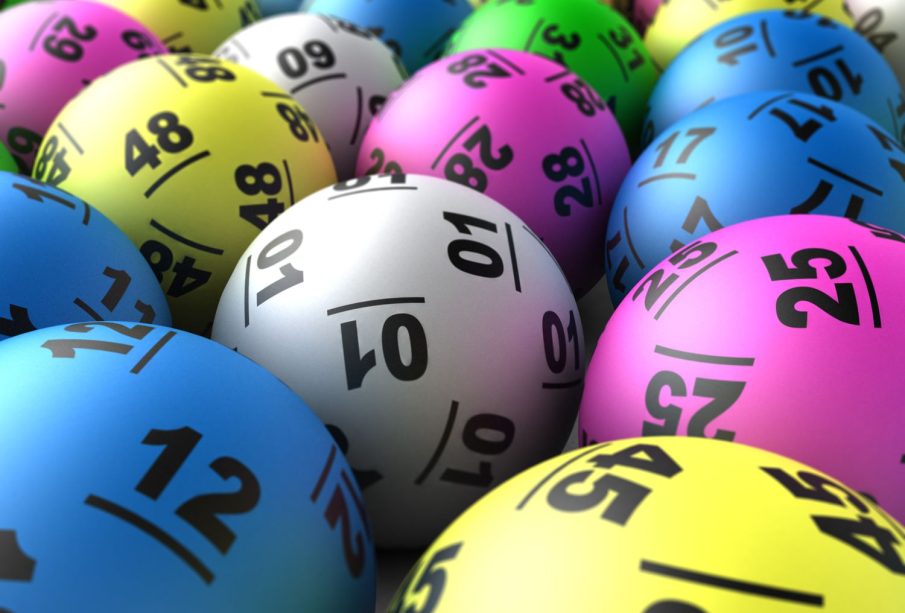
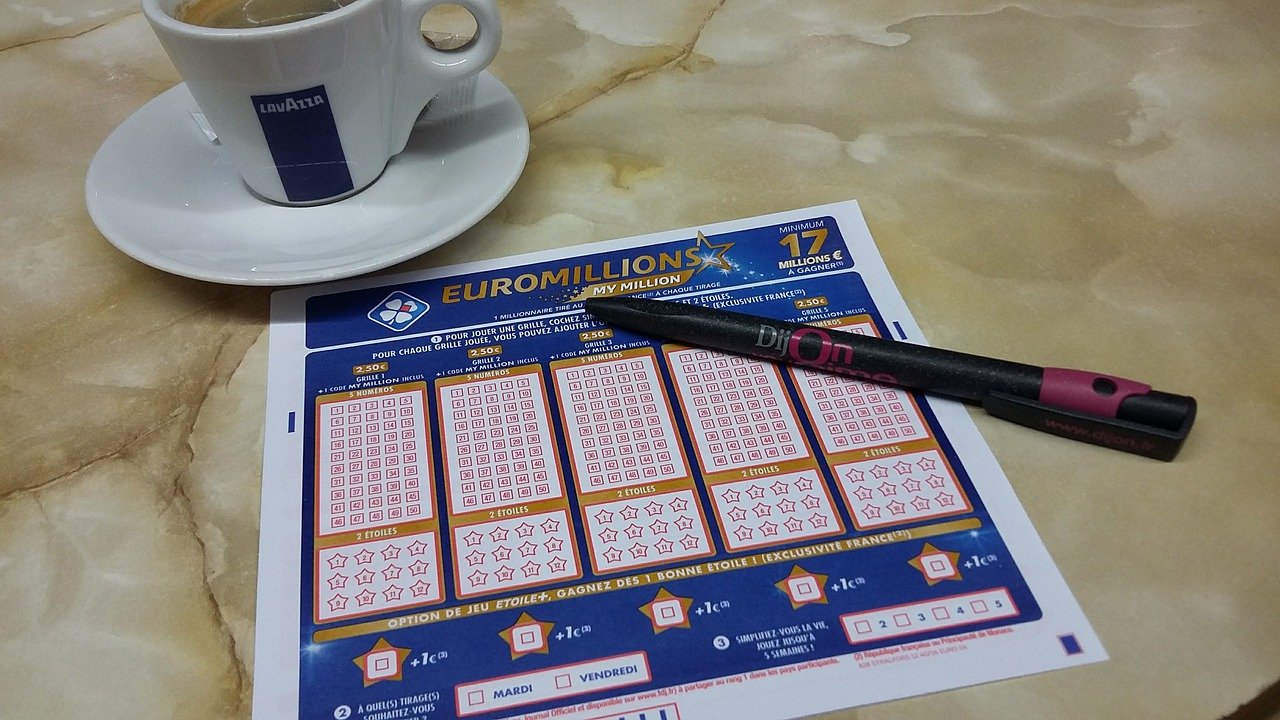
The lottery stands as one of humanity’s oldest and most intriguing games of chance. It is a phenomenon that weaves together dreams of sudden fortune, the allure of possibility, and the societal role of public funding. While often dismissed as mere gambling or luck-based speculation, the lottery’s cultural, economic, and psychological dimensions reveal a far richer tapestry. This article explores the origins of the lottery, its impact on individuals and communities, the mathematics behind it, and the delicate balance it maintains between aspiration and reality.
The Historical Roots of the Lottery: From Ancient Practices to Modern Games
The concept of lottery draws dates back millennia. Ancient civilizations, including the Chinese during the Han Dynasty, are believed to have used lottery-like systems to fund public projects, such as the Great Wall. Similarly, in ancient Rome, lotteries were common entertainment at social gatherings, distributing gifts rather than money.
In Europe, lotteries gained prominence during the Renaissance as a means of raising funds for governmental or charitable causes. By the 17th century, lotteries were widespread in England and the Netherlands, supporting everything from infrastructure development to war efforts. The American colonies embraced the practice as well, financing universities, roads, and bridges through public lottery schemes.
The modern lottery, characterized by regulated state-sponsored draws and multi-jurisdictional games, evolved primarily in the 20th century. Today, it remains a popular form of legalized gambling with profound social and economic implications.
How the Lottery Works: The Mechanics Behind the Draw
At its essence, the lottery is a game of pure chance. Players select a set of numbers—either personally chosen or randomly assigned—and await a drawing in which winning numbers are revealed. The simplicity of the process is central to its appeal, offering everyone an equal opportunity to win regardless of skill or background.
Common lottery formats include:
Number Draws: Players pick a combination of numbers from a predefined range. For example, a typical 6/49 lottery requires selecting six numbers from one to forty-nine.
Instant Win Tickets: Also known as scratch cards, these offer immediate results by uncovering hidden symbols or numbers.
Raffles: A limited number of tickets are sold, each with a unique identifier. Winners are drawn randomly from the pool.
Multi-State Lotteries: Games such as Powerball or EuroMillions pool players across regions to offer massive jackpots.
The prizes vary widely, from modest sums to life-changing jackpots, with some games offering annuity payments over years rather than lump sums.
The Mathematics of Winning: Odds and Probabilities
The lottery is often romanticized as a path to wealth, but the mathematical reality is sobering. The odds of winning the jackpot in major lotteries are astronomically low—often in the range of one in tens or hundreds of millions. This is due to the combinatorial explosion inherent in selecting a winning number set from a large pool.
Key points to understand:
Probability: The chance of winning any prize depends on the number of possible combinations. For instance, in a 6/49 lottery, there are over 13 million possible combinations.
Expected Value: On average, the amount a player can expect to win per ticket is less than the ticket cost, reflecting the house edge built into lottery design.
Randomness: Lottery drawings use mechanical or computerized random number generators designed to ensure fairness and unpredictability.
Understanding these fundamentals helps players approach the lottery with realistic expectations rather than illusions of guaranteed fortune.
The Psychological Appeal: Why We Play Despite the Odds
Despite the daunting odds, lotteries remain immensely popular worldwide. The reasons go beyond mere chance and venture deep into human psychology and societal narratives.
Hope and Dreaming: The lottery offers a ticket to possibility—a chance to imagine a transformed life, freedom from financial worries, and new opportunities.
Accessibility: Unlike many forms of gambling, lotteries are affordable and easy to participate in, requiring no specialized skills.
Social Ritual: For some, purchasing lottery tickets is a routine or tradition, sometimes shared within families or communities.
The Thrill of Anticipation: The period between purchasing a ticket and the draw is often filled with excitement and hopeful speculation.
These factors intertwine, sustaining the lottery’s allure even in the face of mathematical improbability.
Societal Impact: Funding Public Goods and Ethical Considerations
Lotteries often serve as significant revenue sources for governments and charitable organizations. Many states allocate lottery proceeds toward education, infrastructure, health programs, and social services. This model provides an alternative to taxation, appealing politically and socially.
However, ethical debates persist:
Regressivity: Critics argue lotteries disproportionately attract lower-income individuals, who may spend a larger share of their earnings on tickets, exacerbating financial hardship.
Addiction: Like other forms of gambling, lotteries can lead to compulsive behaviors in vulnerable populations.
Transparency and Trust: Ensuring fair administration and clear allocation of proceeds is essential to maintain public confidence.
Balancing these concerns requires thoughtful regulation, public education, and responsible gaming initiatives.
Strategies and Myths: Navigating the Lottery Landscape
Many players seek patterns, lucky numbers, or systems promising better odds, yet the lottery’s inherent randomness defies consistent prediction. Common myths include:
“Due” Numbers: The belief that certain numbers are “overdue” ignores the fact that each draw is independent.
Quick Picks vs. Chosen Numbers: Statistically, both have equal chances since draws are random.
Number Patterns: Visual or sequential patterns on tickets have no bearing on probability.
While these myths persist, they reflect the human tendency to seek control and meaning in uncertain situations.
Conclusion: The Lottery as a Mirror of Human Aspiration
The lottery remains a compelling blend of chance, hope, and societal complexity. It is a game that invites players to dream boldly while navigating the realities of odds and economics. Beyond its role as entertainment or fundraising, the lottery mirrors the human desire for transformation—a testament to the enduring allure of possibility.
Approached with awareness and moderation, participating in the lottery can be an enjoyable experience that sparks imagination. It is a unique cultural artifact, reminding us that amidst the uncertainties of life, the flicker of hope often shines brightest where chance and choice converge.