The lottery has long captured the imagination of people across the globe, standing as a fascinating testament to humanity’s relationship with luck, fortune, and the quest for a better life. What may appear on the surface as a simple game of chance is, upon closer examination, a complex phenomenon steeped in history, psychology, and social implications. This article delves into the multifaceted nature of the lottery, exploring its origins, mechanics, cultural significance, and the nuanced balance it maintains between dreams and reality.
The Origins of the Lottery: From Ancient Rituals to Modern Games
The roots of the lottery extend deep into antiquity, where the drawing of lots was a common method to make decisions or distribute resources. Early records show that in ancient China, during the Han Dynasty (circa 200 BCE), lottery-like games were used to finance monumental projects, including sections of the Great Wall. Similarly, the Roman Empire embraced lotteries as a form of entertainment, often awarding prizes during public festivities.
The lottery as we recognize it today began to take shape in Renaissance Europe. In 15th-century Italy and the Netherlands, lotteries were organized to raise funds for civic improvements, public works, and charitable causes. By the 17th century, England had adopted state-sponsored lotteries, which eventually spread to colonial America, where they financed everything from roads to universities.
Over time, the lottery evolved from informal draws into highly regulated, state-run enterprises with standardized rules and massive jackpots. This institutionalization helped cement the lottery as both a legitimate form of fundraising and a popular pastime.
Understanding the Mechanics: How the Lottery Operates
At its core, the lottery is a simple game predicated on random selection. Participants purchase tickets that contain a combination of numbers, symbols, or codes. The winning ticket(s) are determined through a drawing process designed to be fair and unpredictable. While formats vary, several common structures dominate:
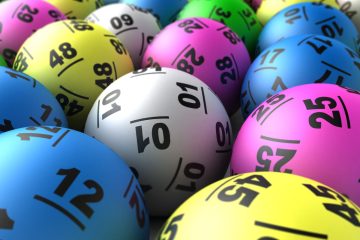
Number Draw Lotteries: Players select a series of numbers from a defined range. Common examples include the “6/49” format, where six numbers are chosen out of 49 possibilities.
Instant Win Games: Scratch cards and similar games provide immediate results by revealing hidden prizes.
Raffles and Sweepstakes: These involve limited ticket sales with winners drawn from the pool.
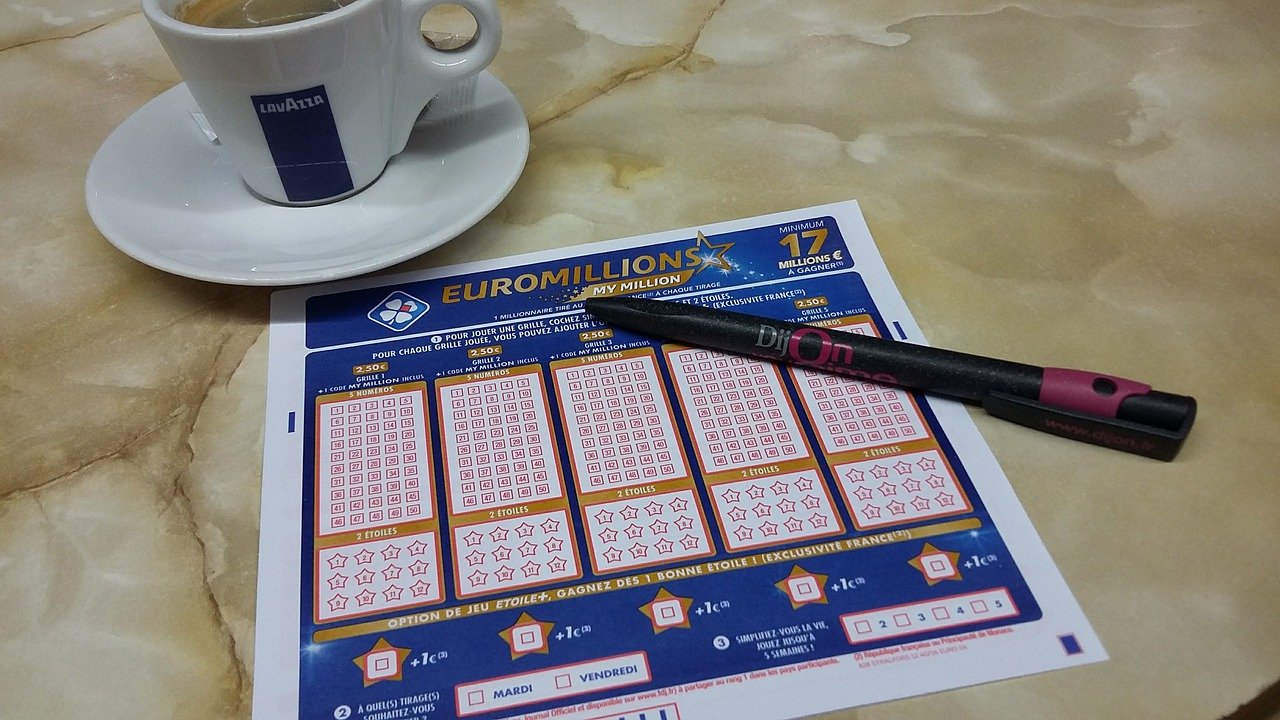
Multi-State and International Lotteries: Games like Powerball or EuroMillions aggregate players across jurisdictions, enabling gigantic jackpots.
The allure of the lottery lies in the equal chance granted to each participant, irrespective of background or skill, allowing the dream of fortune to be accessible to all.
The Mathematics Behind the Magic: Odds and Probability
While the lottery promises the tantalizing prospect of life-changing wealth, the mathematical reality tempers expectations. The odds of winning a major jackpot are infinitesimally small. For instance, the chance of winning a typical 6/49 lottery jackpot is approximately one in 13.9 million.
Key mathematical insights include:
Probability: The number of possible combinations in a lottery dictates the odds. With larger pools and more numbers drawn, the odds become more daunting.
Expected Value: The average return on a lottery ticket tends to be less than its purchase price, reflecting the built-in profit margin for the lottery operator.
Randomness: Modern lotteries employ sophisticated random number generators or mechanical drawing machines to ensure fairness and unpredictability.
Understanding these elements helps players approach the lottery with clarity, balancing excitement with informed awareness.
The Psychology of Lottery Play: Why People Keep Dreaming
Despite the slim chances, lottery participation remains widespread and resilient. This endurance is largely fueled by powerful psychological and social factors:
Hope and Aspiration: The lottery offers a rare portal to imagine drastic life changes, freedom from financial stress, and the fulfillment of long-held dreams.
Accessibility: Unlike many gambling forms, lottery tickets are affordable, easy to buy, and require no skill or experience.
Social Ritual: Buying tickets can be a communal activity, with families or groups pooling resources or sharing traditions.
Emotional Engagement: The suspense between purchase and drawing creates a unique anticipation that many find thrilling.
This cocktail of emotional appeal and social engagement helps sustain lottery enthusiasm even in the face of overwhelming odds.
Societal Impact: The Lottery’s Role Beyond Gambling
Lotteries are more than mere games; they function as significant revenue streams for governments and charities. Many jurisdictions allocate proceeds to education, infrastructure, health care, and social programs, providing a politically palatable alternative to direct taxation.
However, this role is not without controversy. Critics point to several ethical concerns:
Regressivity: Lower-income individuals often spend a disproportionate share of their earnings on lottery tickets, raising questions about fairness.
Problem Gambling: Lotteries can contribute to addictive behaviors if not managed responsibly.
Transparency: Ensuring that funds are used as promised and that games are fairly administered is vital for maintaining public trust.
Effective regulation, responsible marketing, and public education are essential to harnessing the lottery’s benefits while mitigating its risks.
Common Myths and Strategies: Separating Fact from Fiction
The lottery’s mystique has spawned numerous myths and “systems” purported to improve winning chances. It’s important to understand that:
Every Number Has an Equal Chance: No number is “due” to appear; each draw is independent.
Quick Picks Are Just as Valid: Randomly generated tickets have the same probability of winning as self-chosen numbers.
Patterns and Superstitions Are Ineffective: Strategies based on patterns or numerology do not influence outcomes.
Approaching the lottery with rationality enhances enjoyment and prevents misplaced hopes.
Conclusion: The Lottery as a Reflection of Human Nature
The lottery encapsulates a fundamental human paradox: the yearning for certainty in an uncertain world. It offers a stage where chance and hope collide, reflecting our deep-seated desires for change, luck, and better fortune.
While the odds may be slim, the lottery endures because it is more than a game—it is a cultural ritual, a source of community funding, and a mirror to the human spirit’s resilience. When approached with knowledge and moderation, the lottery can remain a delightful expression of possibility, reminding us that sometimes, the dream itself holds its own unique value.